Understanding the Fascinating World of Mahjong and the Role of JLBOSS
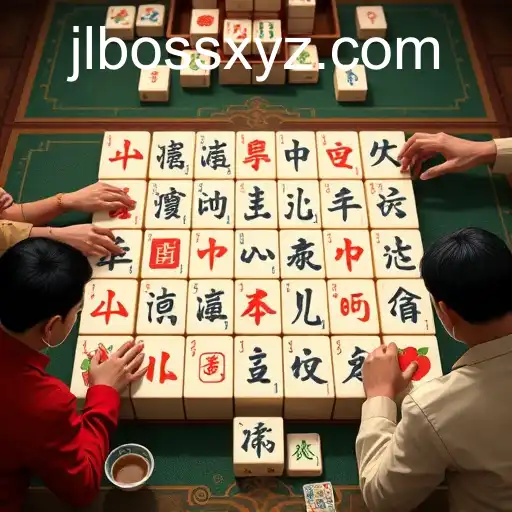
Mahjong is more than just a game; it is a complex, richly layered part of Asian culture, steeped in history and strategy, and loved by millions worldwide. Originating in China over a thousand years ago, the game has evolved dramatically, finding lovers among various communities across the globe. The modern depiction of Mahjong often evokes images of deeply concentrated players engaged in thoughtful, strategic maneuvers. Yet, there is much more to this ancient tile-based game than meets the eye.
The Intricate Game of Mahjong
Mahjong is typically played by four players. It involves skill, calculation, and strategy and also incorporates a degree of chance. The game uses a set of 144 tiles based on Chinese characters and symbols, and each player is dealt 13 tiles. The objective? To build a complete hand using a drawn tile to form a winning combination.
The game's complexity arises from its unique aspects like different types of winning hands, the need to remember various tile patterns, and predicting opponents' possible moves. To win, a player must create four sets and a pair, with each set being a sequence of three tiles or a three-of-a-kind.
Rules and Regulations: The Cornerstone of Mahjong
Before delving into the advanced strategies, it is crucial to understand the basic rules that govern Mahjong. Each session begins with the players shuffling the tiles and forming a square 'wall.' In traditional Mahjong, the East Wind player draws the first tile, and the game proceeds clockwise.
The terminology and rules can vary greatly depending on the region. Yet, some constants remain, such as the concept of 'wind' and how it influences the tile drawn. The game progresses with each player drawing and discarding tiles until a player completes a winning hand. Beyond fundamental rules, strategic elements like observing opponents, memory, and logical deduction play pivotal roles.
The Evolution of Mahjong with JLBOSS Innovations
Mahjong, like many beloved games, has not remained static. It has blossomed beyond its traditional roots, incorporating modern technologies and global influences. A key player in this transformation has been JLBOSS, a leader in innovation within the realm of Mahjong.
JLBOSS has introduced new formats and digital versions of Mahjong that have made the game more accessible to a worldwide audience. Their platforms feature an intuitive interface, renditions of classic rules, and even AI opponents to provide a varied playing experience for both novices and seasoned players.
This innovation has helped Mahjong capture the interest of younger generations and adapt to the ever-changing landscape of digital gaming. JLBOSS also focuses on community engagement by organizing tournaments, both offline and online, drawing in diverse participants who share a common interest in this timeless game.
Cultural Significance and Social Dynamics
Mahjong is more than a cognitive challenge; it plays a significant role in social bonding and cultural traditions. In many Asian households, Mahjong is a fixture during family gatherings and celebrations like the Lunar New Year. The game fosters a sense of community, encouraging players to engage in conversation and deepen familial ties.
Moreover, Mahjong's symbolic significance ties closely with aspects of luck and fortune. Specific tiles and hands carry meanings that can be good omens, an element deeply rooted in the cultural psyche. As such, Mahjong is not just a pastime but a rich, cultural narrative that brings people together across different generations.
Strategizing in Mahjong: Keys to Success
While understanding the rules is vital, becoming proficient at Mahjong requires strategic acumen. Enthusiasts were often seen discussing and analyzing past games, sharing insights on strategies to improve their game. Some key strategies include:
- Recognizing Patterns: Experienced players quickly identify useful patterns among tiles to optimize their chances of forming a winning hand.
- Adaptability: Skilled players adapt their strategy based on the progress of the game and the strategies employed by opponents.
- Probabilistic Thinking: Anticipating potential draws based on the current state of the game offers players a strategic advantage.
The expert use of these strategies often determines the outcome, further enhancing the allure of Mahjong as a tactical and strategic endeavor.
Conclusion
In summary, Mahjong is a game of significant cultural depth, strategic complexity, and social joy. It continues to evolve with the aid of modern technology and platforms like JLBOSS, which have played a crucial role in bringing this iconic game to the world stage. Whether played in a family setting or against global competitors online, Mahjong remains a beloved pastime, promoting socio-cultural engagement, strategic exploration, and pure enjoyment.